
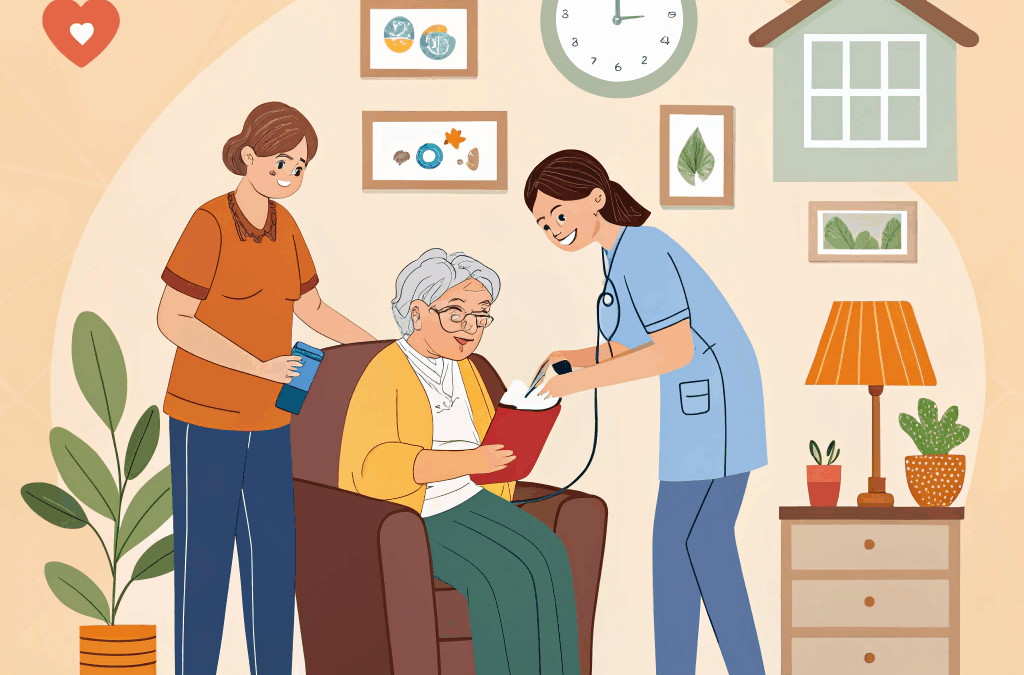
The Quiet Shift - When Daily Routines Become Daily Hurdles
It often starts with small things you notice: a favorite shirt stained, a missed doctor’s appointment, or a new hesitation when walking up the stairs. Maybe your parent has always been sharp and independent, but now, something feels different.
You’re not alone. Many families go through this quiet shift as their loved ones begin to need more help. And like you, they wonder: What can I do to keep them safe, respected, and comfortable at home?
This guide shows what “personal care” means for older adults, why it matters for both physical and emotional health, and how to find the right help at home.
Check out our service about Trusted Senior Care Services in Pennsylvania
Key Takeaways
Personal care is not just about physical support, it’s about helping seniors live with dignity, stay safe, and remain connected to the life they know and love at home.
What Is Personal Care for Seniors?
Personal care means giving regular help with everyday tasks that keep someone clean, safe, and feeling like themselves. These tasks are called “Activities of Daily Living” (ADLs), and they’re important for staying healthy and independent.
- Bathing, Grooming, and Hygiene: Help with showering, brushing teeth, and shaving.
- Dressing and Undressing: Choosing and putting on clothes.
- Toileting and Incontinence Care: Help with using the bathroom and staying clean.
- Mobility Assistance: Support with moving around and avoiding falls.
- Medication Reminders: Making sure medicine is taken on time.
- Meal Prep and Eating Help: Cooking meals, staying hydrated, and eating safely.
This kind of care gives seniors the help they need while respecting who they are.
Why Personal Care Matters
Personal care helps older adults in more ways than just staying clean. It supports their health, confidence, and daily life.

Health and Safety
- Keeps infections away by helping with hygiene.
- Prevents falls.
- Helps manage long-term health issues by sticking to medicine and meals.
Self-Esteem and Routine
- Looking and feeling clean builds confidence.
- Kind support respects their privacy.
- Familiar routines make days feel more normal.
Independence at Home
- Home is where memories live.
- Staying at home can feel more peaceful than moving.
- They still get to make choices every day.
Companionship
- Caregivers do more than help—they’re good company.
- Talking with someone regularly can lift spirits.
- Families can relax knowing someone is checking in.
“With the right support, most seniors say they feel more confident and secure staying in their own homes.”
Signs It Might Be Time for Personal Care
Not sure if your loved one needs help? These signs can point to that need:
Read more about Heartfelt Home Care in the City of Brotherly Love
Things to Look For:
- Appearance: Clothes look dirty, poor hygiene, or weight changes.
- Home: Messy rooms, expired food, or unpaid bills.
- Mood or Memory: Forgetting things, avoiding hobbies, or feeling sad.
- Movement: Trouble walking, bruises, or avoiding stairs.
If you’re seeing these signs, it may be time to consider seeking help.
What Kind of Help Is Available?
There are various types of care depending on what is needed.
- Personal Care Assistants (PCAs): Help with bathing, dressing, and other daily needs.
- Companion Care: Focuses on company, simple chores, and errands.
- Skilled Nursing / Home Health Aides: For medical tasks like shots or wound care.
- Respite Care: Gives family caregivers a break.
| Type of Care | Best For |
|---|---|
| Personal Care Assistant | Hands-on daily help |
| Companion Care | Company and light tasks |
| Skilled Nursing | Medical needs at home |
| Respite Care | Temporary help for family caregivers |
What to Do Next
Here’s how to move forward if you think personal care could help:
Step 1: Talk About It
Share your thoughts gently. Listen to how they feel, too.
Step 2: Figure Out What’s Needed
Do they need help every day or just sometimes? Make a list of tasks.
Step 3: Look Into Local Agencies
Choose licensed, insured care companies with trained caregivers.
Step 4: Ask Questions
When you talk to a care agency, ask:
“How do you match caregivers to clients?”
“What if the caregiver can’t come?”
“How do you adjust the care plan over time?”
Step 5: Create a Care Plan That Works
Start small, maybe just a few hours a week, then grow the plan as needed.
A Story: Sarah and Her Dad
Sarah’s dad had always taken care of himself. But during a visit, she saw unopened mail, bruises, and spoiled food. She suggested getting help, but he wasn’t sure. After a few short visits from a caregiver, things changed.
He looked better, smiled more, and even started cooking again—with a little help. Sarah was relieved. Her dad felt respected.
Common Questions
What does a personal care assistant do?
They help with bathing, dressing, grooming, and other everyday tasks.
How is personal care different from medical care?
Personal care helps with daily needs. Medical care handles health problems.
Can someone stay at home with health issues?
Yes, often they can—with the right support plan.
How can I bring this up without upsetting them?
Speak with kindness. Say what you’ve noticed and remind them it’s about staying independent longer.
Personal care is about more than just daily help. It’s about treating someone with care and respect as they grow older.
“Asking for help shows love. You’re not taking away their freedom—you’re making sure they’re safe and supported.”
Talk to your loved one today. It could make all the difference.